Putting the nation's finances on a more sustainable footing
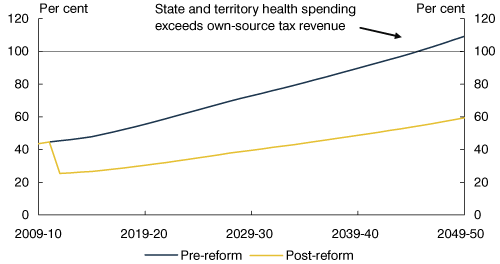
On current trends, there is a real risk that State and Territory governments will not have the financial capacity to meet health spending obligations in the longer term, placing our health system and services at risk.
These new arrangements represent a fundamental reform of federal financial relations and will improve state and territory budgets, freeing up the resources for other vital public services.
Creating a secure funding base for public hospitals
The States currently have responsibility for funding the bulk of hospital costs, yet their taxes are inefficient and narrow, and grow at a slower rate than health costs.
On the basis of current spending and revenue trends, health spending alone will absorb more than the entire own source tax revenue collected by all States by 2045‑46.
Without health funding reforms, the States will be required to raise significantly more revenue from their inefficient taxes. This will affect the financial sustainability of the health system and be a drag on broader productivity growth across the economy.
A long‑term commitment to funding growth
The Australian Government is much better placed to meet this increasing expenditure, and more so into the future as the population ages. So at the heart of these reforms is the Australian Government's commitment to become the majority funder of public hospitals and to take full funding and policy responsibility for GP and primary health, primary mental health and aged care services. The Australian Government has guaranteed a net benefit of $15.6 billion to the States and Territories from 2014‑15 to 2019‑20.
Unsustainable pressures on state and territory budgets relieved
by reform