


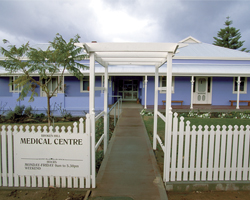
Supporting rural and regional communities
The Government is working to ensure all Australians have access to world‑class health care no matter where they live by:
- ensuring funding reflects higher costs in rural and remote Australia;
- improving services in rural, remote and regional communities; and
- supporting the rural health workforce.
The Australian Government is committed to improving rural health care and is introducing a range of initiatives targeted at rural, remote and regional communities.
Ensuring funding reflects higher costs in rural Australia
The Government is ensuring that funding for small regional and rural hospitals and Medicare Locals reflects the needs of rural communities and the higher costs associated with delivering services in these locations.
Improving services in rural, remote and regional communities
The Government is working to improve access to health care in rural communities. This includes:
- $120 million over four years in capital funding to increase the number of sub‑acute beds or their equivalent in rural and remote multi‑purpose services, and expand the number of rural communities eligible to apply for multi‑purpose service funding; and
- $18 million over three years to continue to allow Medicare benefits to be claimed at certain hospitals in rural Australia to improve access to primary health care services for communities.
Supporting the rural health workforce
The Government is also committed to encouraging health care workers to work in the bush and supporting those who currently do so. This includes:
- ensuring that half of new GP and specialist training places continue to be provided in rural and remote communities;
- investing $34 million over four years in rural services for nurses and allied health professionals to allow them to continue their professional development; and
- investing $6.5 million over four years to provide an additional 100 clinical placement scholarships per annum for allied health students in rural and other areas of need to enhance the size, distribution and retention of the allied health workforce.