


...and supporting them to live in the community
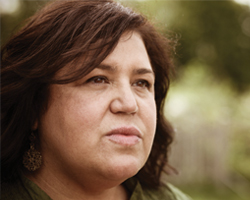
Sue was socially isolated due to depressive illness and problems affecting mobility. She informed her personal helper of feeling confused, panicky and lacking motivation. Most days she just took medication and stayed in bed.
Sue's PHaMs recovery plan supports her to re‑engage in social activities. She now has a regular exercise routine for weight loss and has joined a tobacco cessation support group. PHaMs support has made a real difference in her life, allowing her to reintegrate with the community.
More social support services to help recovery from mental illness
Meaningful activity and social connectedness are important to quality of life and recovery from mental illness.
That is why the Government is expanding social support services to provide greater access to support for people with severe mental illness to reduce social isolation, improve employment outcomes and support recovery. Some services will also support their informal carer arrangements by providing improved access to respite services for families and carers.
Additional Personal Helpers and Mentors (PHaMS) and respite services
The Government is investing $208 million over five years to provide an additional 425 personal helpers and mentors to provide practical one‑on‑one support for people with severe mental illness.
The new workers will help an additional 3,400 people live more independently and reconnect with the community. New respite services will also give around 1,100 mental health carers access to respite and support.
Expanding the Support for Day to Day Living program
The Government is investing $19 million over five years to expand the Support for Day to Day Living program to provide people with severe mental illness with a friendly environment to help them face the challenge of reengaging in social activities and developing other important life skills, such as cooking, to help support their recovery.
This initiative will deliver additional services to over 18,000 people.