


Capacity constraints are emerging in the labour market ...
The pressures arising from the mining boom are occurring simultaneously with longer‑term changes in the economy, particularly significant growth in health, aged care and other community services.
The ageing of the population is also driving strong demand for labour in these sectors, while long‑term changes in the economy are increasing demand for skilled workers in service industries.
Demographic and economic change at the same time as strong economic growth will drive ongoing demand for skilled workers across the economy.
There is growing demand for skilled workers
Demand for our mineral wealth is driving a new phase of prosperity for Australia. Growth and development in China and India is creating strong demand for our resources and brings income to Australia. In turn, the demand for skilled labour is on the increase.
The Government recognises that skills needs vary across regions, occupations and sectors. As the economy nears full capacity, businesses will need to compete for skilled workers, which can lead to skill shortages at a regional, industry and occupational level. If left unchecked, such skills shortages could constrain our economic growth and mean missed opportunities for Australians.
The mining boom creates labour demand in the mining and related sectors, but broader economic and demographic changes are also driving labour demand in health, aged care, renewable energy and other services.
To make the most of our opportunities and maximise the benefits of the mining boom mark II — so that all Australians can enjoy economic growth with low inflation — Australia needs more workers with high level skills which match industry's needs. Emerging capacity constraints also highlight the need for longer‑term reform of vocational education and training.
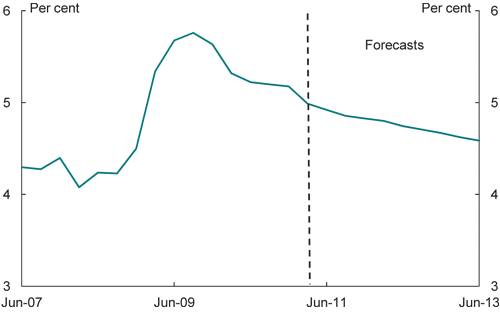
Australia's actual and forecast unemployment rate
Source: ABS cat. no. 6202.0 and Treasury.