



Unlocking the Economic Potential of Senior Australians
Opportunities of an ageing workforce
- Seniors are not only living longer, they are generally better educated, healthier and more financially secure.
- The majority of people aged 65 and over live independent active lives.
- The employment and participation rates of mature age people have shown solid growth over the last ten years
- However, once unemployed, mature age people can find it difficult to re–enter the labour market, particularly those with limited education or skills that are not in demand.
- The Government recognises that their involvement in the community and workforce offers great benefits.
- The $41 million Government response is providing older Australians with more options to participate longer and more actively in all aspects of the community and economy.
An active ageing agenda
The Budget includes a number of new initiatives in response to the Final Report of the Advisory Panel on the Economic Potential of Senior Australians, to help Australia best respond to the opportunities presented by a larger and more active community of seniors, such as:
- supporting employers through the Corporate Champions initiative to recruit and retain an older workforce, including a new $1,000 jobs bonus for employers who recruit and retain a mature age job seeker;
- expanding the More Help for Mature Age Workers initiative to allow industries to benefit from improving the skills of their over 50s workforce;
- extending the Career Advice Service for two years to ensure mature age people have access to free, professional career advice;
- promoting lifelong learning by establishing a new Productive Ageing through Community Education program;
- funding for the Age Discrimination Commissioner to address discrimination and stereotyping of older Australians; and
- a new Advisory Panel on Positive Ageing to consult with communities and seniors on a range of issues and help drive the Government's ageing agenda.
Comparison of mature age participation rate (55–64 years) in Australia and selected other countries
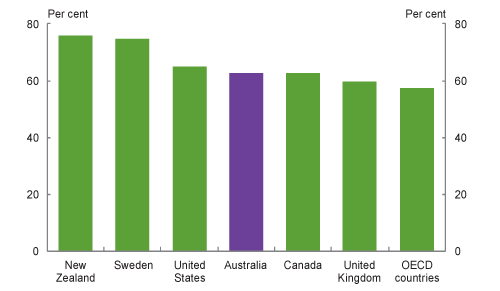
Source: OECD 2010 data