A stronger, smarter and fairer indirect tax system
Indirect taxes play a role in raising revenue from consumption and are an important part of the revenue mix. In addition, the indirect tax system can be used effectively to achieve better environmental and social outcomes that improve the wellbeing of current and future generations.
Moving The Taxation Of Fuels Towards Energy Content Based Taxation
The Government has provided more consistent tax treatment of fuels, by bringing liquefied petroleum gas (LPG), liquefied natural gas (LNG) and compressed natural gas (CNG) into the tax system over time, but with a 50 per cent discount that recognises the potential environmental and fuel security benefits of their use.
Protecting The Integrity Of The Wine Producer Rebate
The Government recognises the importance of wine producer rebate to small winemakers, as well as its ongoing integrity. The Government improved the integrity of the wine producer rebate by ensuring that wine producers cannot claim multiple rebates where wine is blended or further manufactured.
Reforming The Taxation Of Tobacco
Despite reductions in tobacco consumption among the general Australian population, tobacco continues to be a major cause of death and disability, with more than three million Australians still smoking at least daily or weekly. Around 15,000 people die each year of smoking related illness. In line with the AFTS review, the Government will index tobacco excise and excise equivalent customs duty to average weekly ordinary time earnings (AWOTE), replacing the current CPI indexation. This will ensure, through modest increases, that the excise component of tobacco keeps pace with incomes.
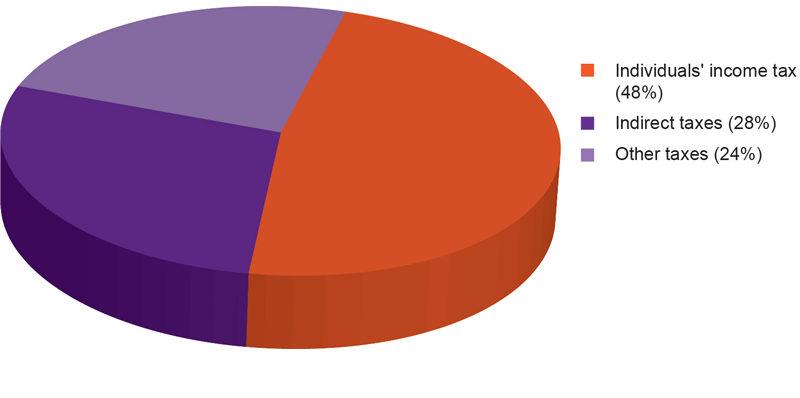
Tax mix 2012-13