Delivering a Clean Energy Future
On 1 July 2012, the Government introduced a carbon price as part of a comprehensive set of policies to cut Australia's emissions while keeping the economy growing. The carbon price will remain fixed for the first three years, before moving to a flexible emissions trading scheme in 2015‑16.



The Carbon Price is Working
The Government is moving Australia to a low-emissions economy while protecting jobs and growth.
The carbon price is already working. Since the introduction of the carbon price, emissions in the National Electricity Market (NEM) have fallen by around 10 million tonnes. Renewable energy generated in the NEM has increased by almost 30 per cent over the same period. This is while the economy has continued to grow close to trend and around 160,000 new jobs have been created.
Internationally, many countries, including the US and China, have moved to join Australia in tackling
climate change. It is in our interests to be part of this global response.
From 1 July 2015, Australia's emissions trading scheme will be linked with the European scheme, which is the largest carbon market in the world. This is an important step towards developing an international carbon market.
Australia will also be a key partner in the development of China's national emissions trading system.
As part of international efforts to address climate change, Australia has signed on to the second commitment period of the Kyoto Protocol.
This has also broadened the Carbon Farming Initiative by allowing additional land-based abatement projects to generate credits. As a result, farmers
and landholders now have greater incentives to store carbon on the land.
Moving to a floating price
The move to a flexible price in July 2015 means the carbon price will move in line with international prices.
Ongoing economic weakness in Europe has, in part, led to a fall in the European carbon price. This Budget revises the carbon price projection in 2015‑16 to around $12.
A lower carbon price in 2015‑16 will mean a lower cost to the economy to reduce carbon emissions. It will also mean a lower cost to households and businesses to cut carbon emissions, while still achieving our targeted greenhouse gas emissions cuts.
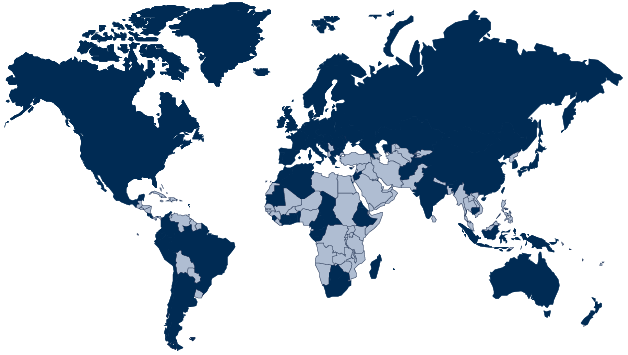
Countries moving to tackle climate change under the Cancun Agreements (indicated in dark blue)