

Ensuring affordability and fairness
A sustainable pathway
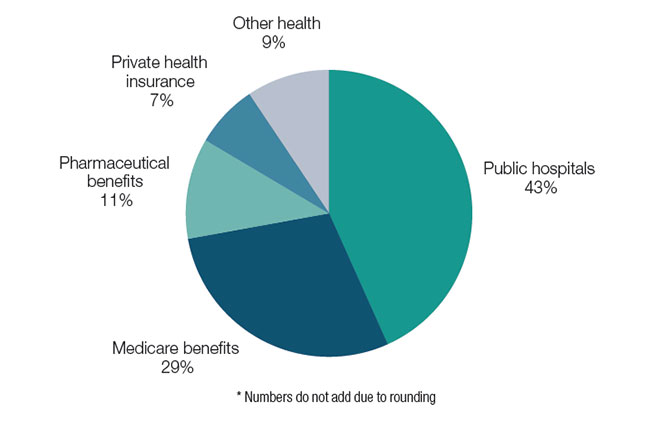
In the next 10 years, for every $5 extra the Government spends on health, more than $4 will be due to the rising costs of Medicare benefits, pharmaceutical benefits and public hospital funding.
This Budget will take steps to put growth in spending on these programmes on an affordable path.
This will mean more money will be available for the Government to invest in Australia's future health through the $20 billion Medical Research Future Fund.
Sharing responsibility for the cost of health care
This Government is committed to safeguarding the benefits of Australia's health care system. Medicare benefits, the public hospital system, subsidised medicines and a competitive private health sector are the cornerstones of this system.
However, higher standards and greater demand for health care come at a cost. Responsibility for the growing cost of health care must be shared amongst the community.
The Government will continue to support the most vulnerable in the community. However, all Australians will need to make a greater contribution to the cost of their own health care.
Getting the budget back on a secure and sustainable footing should be a shared effort by all sectors of the community — households, business and the public sector alike — even if that requires winding back some spending that people have come to take for granted.