What an NDIS will mean for people with disability and their carers
More help for families
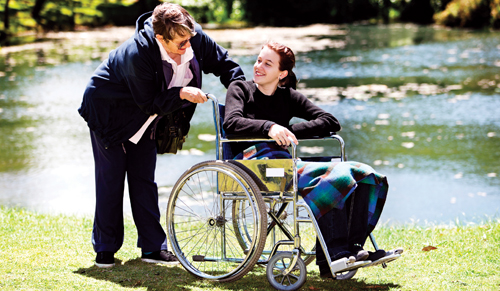
Jacinta is 35 years old and has Parkinson's disease. She relies on her ageing parents for care and support. Jacinta is worried that when her parents are too old to care for her she will have to go into a nursing home. Around 3,300 people aged under 60 are living in aged care homes.
Under an NDIS Jacinta would be able to receive funding for support in her home. Jacinta could also be given the option of spending some of her time in a group home with people her own age.
Jacinta and her parents would work with a Local Area Coordinator to develop a personal plan that will also look at what will happen in the future when Jacinta's parents are no longer able to help care for her. This means that Jacinta and her parents will have peace of mind, knowing that Jacinta will be well cared for in the future.
Support will be based on individual need
Under existing arrangements the level of assistance can vary based on where someone lives or how they acquired their disability. Under an NDIS people who have significant and permanent disability will have access to an assessment process that develops an individual support plan with funding allocated for reasonable and necessary supports.
An NDIS assessment will take into consideration a person's aspirations for participation and work in their community, support requirements and the needs of their carers.
An NDIS will provide early intervention and support services to improve the opportunities of people with disability, their families and carers.
More help for carers and families of those with disability
The care of a loved one will always mean more than formal attendant care. But our current system doesn't support long term, sustainable care. It relies heavily on the dedication of family carers, too often leaving them feeling exhausted and alone.
An NDIS would not replace informal and community supports, but will make them more sustainable. People with permanent and significant disability will be assessed and supported to develop an individual care plan for their lifetime including formal and informal caring arrangements.